Your first year in the LLS Farm Sim Pack: a season-by-season plan for Minecraft Bedrock
A 28-day plan for a new Farm Sim Pack world: what to plant each season, setting up troughs and a Safe Anchor, earning emeralds for your first tractor, feeding stock through winter, and every recipe and dealer price.
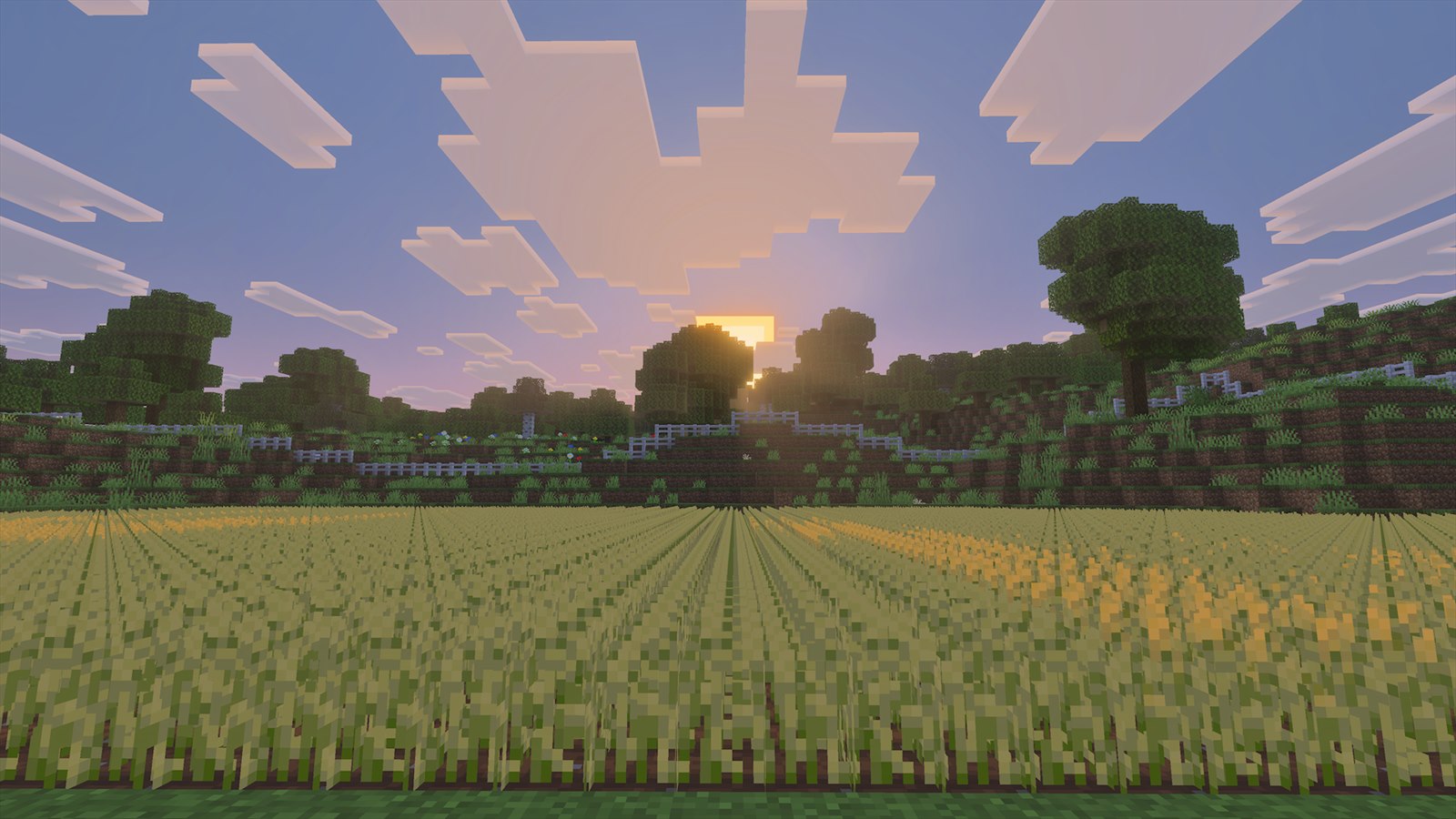
The Farm Sim Pack turns Minecraft into a farm that runs on a calendar. Crops have planting windows and wilt if you miss them, animals eat at noon and go hungry if the trough is empty, and the year turns through four seasons of seven days. Machines and dealers make it a business.
That’s a lot to take in on day one, so this guide is a plan for the first 28-day year: what to do each season, in order, and why. Every recipe and dealer price is at the end. It’s written against version 0.6.5.
How the year works
- Four seasons, seven days each, every season starting on a Monday. A clock on screen shows the time, the season and the weekday.
- Crops grow one stage a day, at midnight, so a field planted on the same day ripens on the same day.
- No irrigation: hoed ground counts as watered forever. Harvesting dries it, and hoeing it again re-wets it.
- Hand-breeding is off. Tamed animals at full health breed on their own cycle with a partner within 16 blocks.
/time set doesn’t change the season. It moves the sun, not the calendar. To skip ahead,
use /scriptevent llss:day (one day) or /scriptevent llss:setseason spring.
The crop calendar
Each crop is planted in one season and keeps growing through the next. It only wilts if it’s still in the ground when that second season ends.
| Crop | Plant in | Ready after | Wilts when this season ends |
|---|---|---|---|
| Wheat | Spring | 5 days | Summer |
| Carrots, Potatoes | Spring | 3 days | Summer |
| Melons | Spring | 3 days | Summer |
| Pumpkins | Spring | 4 days | Summer |
| Beetroot | Autumn | 6 days | Winter |
| Grass (forage) | Any season but winter | 3 days | Never wilts |
Plant out of season and the seed is handed straight back. Melon and pumpkin stems wilt at the end of summer too, but any fruit you’ve already cut is yours to keep. A Crop Calendar on the wall (stick, paper and wheat) shows the whole year, lights the current season, and gives you the numbers when you click it.
Spring: days 1 to 7
Spring is the busy one. It’s the only time wheat, carrots, potatoes, melons and pumpkins can go in, so whatever you want to harvest this year gets planted this week.
Day 1: the anchor and the mailbox
- Place a Safe Anchor (one dirt, shapeless) in the middle of where your fields and pens will go. Its area stays loaded and keeps farming while you’re away: crops grow, animals eat, births happen. Anything outside every anchor’s area stops until you come back. A Large Safe Anchor (four dirt) covers about 144 blocks across, enough for a whole farm. See the Night Lite guide for planning anchors.
- Craft a Mailbox: three iron ingots in a row with a stick under the middle. Place it facing the road. No mailbox, no dealers.
Days 1 and 2: plant
- Plant early. A crop planted late in spring still grows on into summer, but planting on day 1 means wheat is ready on day 6 and carrots and potatoes on day 4. Then the summer is free for a second job, and nothing is cutting it close.
- Plant as much as you’ll need for a year. Spring is the only planting window for wheat, and wheat is next winter’s hay.
- Hoe the ground once. It stays watered until you harvest.
- Can’t get it all in? Anything planted by the last day of spring still has the whole of summer to ripen.
Days 2 to 4: troughs and stock
Every species eats from its own trough, made from two planks plus a sample of its feed:
| Trough | Feeds | Daily ration, per animal |
|---|---|---|
| Chicken Trough (+ wheat seeds) | Chickens | 2 seeds |
| Cow Trough (+ hay bale) | Cows | 2 bales |
| Sheep Trough (+ grass bale) | Sheep | 1 grass bale |
| Pig Trough (+ potato) | Pigs | 30 roots (beetroot, potatoes, carrots) or 2 bales |
| Horse Trough (+ carrot) | Horses, donkeys and mules | 1 carrot, apple or bale |
A “bale” is a vanilla hay bale or a Grass Bale.
Horses, donkeys and mules also drink. A Water Trough (two planks + a bucket) holds water instead of feed: a water bucket pours in two drinks and hands the bucket back, rain tops up a trough that’s open to the sky, and one drink is one animal’s water for a day.
Double troughs. Place a trough right beside another of the same kind and the two join into one long trough holding three times as much: 24 slots of feed, or 6 drinks of water. Crouch while placing to keep it single. Either end opens it.
At noon the dinner bell rings. Animals within 32 blocks walk to their trough and eat; anything still within reach is fed where it stands. A trough holds eight slots of feed. Fill them and the animals look after themselves.
| Days unfed | What happens |
|---|---|
| 1–2 | Hungry, no harm done |
| 3 | Wilting: loses a third of its health each day |
| About 6 | Dies |
Animals don’t heal on their own; a full meal heals a third. So keep the troughs topped up.
Horses, donkeys and mules never starve. A missed meal or a missed drink makes them tire sooner instead, a fifth more for each day missed, down to 40%, until they’re fed and watered again. Ridden, a vanilla horse runs flat out for a few seconds, then drops to a canter, blows, and gets its breath back at a trot or a walk. Pulling farm tools, a well-kept draft animal never tires.
Getting stock: the animal trader comes to your mailbox on Tuesday, Thursday and Saturday, 8am to 8pm. Chickens are the cheapest start (4 emeralds) and breed fastest.
Days 3 to 7: grass and apples
- Craft Grass Seed (two from one short grass) and sow it. Tall grass grows in a day.
- Nine short grass, or five tall, make a Grass Bale: sheep food, and cow food in a pinch.
- Plant apple saplings (an apple + an oak sapling). They grow in four days and fruit in summer.
Summer: days 8 to 14
Summer is clear every day. It’s harvest time and the time to start earning.
Harvest
Your spring crops ripen in late spring or early summer. Anything still in the ground when summer ends wilts, so get everything in before autumn starts on day 15. Once a plot is harvested it can’t be replanted with wheat until next spring.
- By hand, or with a Sickle (3 cells a swing) or Scythe (9 cells, slower), both sold by the toolsmith villager.
- Turn spare wheat into hay bales (nine wheat each). Hay is what cows, pigs and horses live on through winter.
Apples
Apple trees turn red from the sixth day of summer. Use a leaf or the trunk to shake the tree and every ripe apple falls at once. Left too long, they turn brown and spoil in autumn.
Earning emeralds
Machines are expensive, so summer is when the farm starts paying for itself:
- Cheese: a milk bucket on top of wheat in the crafting grid. The animal trader buys three cheese for an emerald.
- Vanilla villagers still trade as usual. Farmer villagers buy crops.
- The toolsmith buys coal, iron, flint and diamonds for emeralds.
Your first machine
The Attachments Dealer and Vehicle Dealer set up at your mailbox on Monday, Wednesday and Friday, 8am to 8pm.
The cheapest route into machinery is a horse: a Work Harness (16 emeralds, or crafted) on a horse, donkey or mule lets it pull the plow, seeder and potato digger (32 emeralds each) the way a tractor does. Hitch with the Wrench (6 emeralds). Two harnessed animals side by side hitch together with one click, and the plow cuts two furrows at once.
A tractor comes later: the F-20 Vintage Tractor costs 36 emerald blocks.
Autumn: days 15 to 21
Autumn brings storms, rain and fog.
Plant beetroot early
Beetroot is the only autumn crop. It takes six days and keeps growing into winter, so anything planted in autumn ripens in time; it only wilts if it’s still standing when winter ends. Planted early, it’s ready before the snow.
Beetroot feeds pigs, and beetroot seeds feed chickens.
Fill the barn for winter
In winter only beetroot grows, and grass doesn’t grow at all, so there’s no pasture. Work out what your animals need for seven days and store it now:
| Stock | Feed for one winter |
|---|---|
| 1 cow | 14 hay bales |
| 1 sheep | 7 grass bales |
| 1 chicken | 14 seeds |
| 1 horse, donkey or mule | 7 carrots, apples or bales, plus 7 drinks of water (4 buckets) |
| 1 pig | 210 roots, or 14 bales |
Pigs are hungry. A pen of pigs over winter is a lot of beetroot, so hay is usually the easier way to keep them.
Winter: days 22 to 28
Snow always arrives on the last day of autumn, the Sunday before winter. Bedrock has no snow weather, so the pack builds it: an overcast sky, snow falling round you and a real carpet of snow that deepens through winter.
- Harvest the beetroot as it ripens. It wilts if it’s still standing when winter ends.
- Keep the troughs full from your stores. Check them every couple of days.
- Breeding carries on through winter, so young animals arrive and need feeding too. Each pair of adults rears its own litter for free; young beyond that eat half a ration.
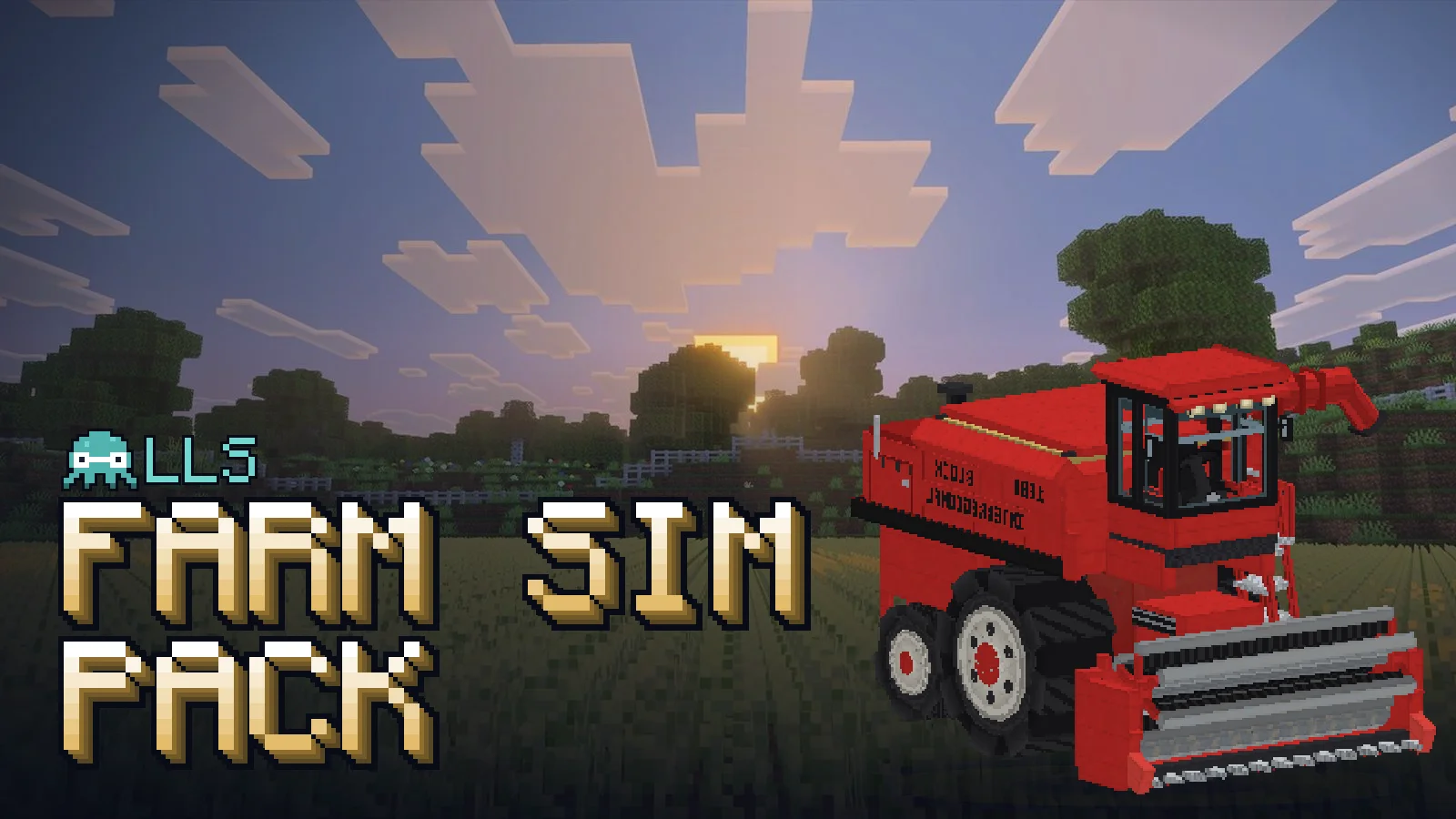
- Plan next year. Count your emeralds. A combine harvester needs 18 Emerald Crates and 8 cheese. (An Emerald Crate is nine emerald blocks, crafted in a 3×3.)
In spring the snow thaws over the first few days. Deep snow takes a little while to lift, and then it’s day 1 again, with a year’s experience and a full barn.
Raising stock for meat
Slaughter your own grown animal yourself and it pays properly: a cow gives a full stack of beef, a pig or a sheep half a stack. Wild animals, babies, and animals lost to wolves or falls give vanilla’s usual drops.
| Animal | Breeds every | Litter | Grows up in |
|---|---|---|---|
| Chicken | 7 days | 10 | 7 days |
| Sheep | 14 days | 2 | 14 days |
| Pig | 14 days | 8 | 14 days |
| Cow, Horse, Donkey | 28 days | 1 | 28 days |
Mules don’t breed: a horse and a donkey make one.
Every recipe
| Item | Recipe |
|---|---|
| Mailbox | Shaped: 3 iron ingots across the top, a stick under the middle |
| Safe Anchor / Large Safe Anchor | 1 dirt / 4 dirt |
| Chicken, Cow, Sheep, Pig, Horse Trough | 2 planks + wheat seeds, hay bale, grass bale, potato or carrot |
| Water Trough | 2 planks + bucket |
| Grass Seed ×2 | 1 short grass |
| Grass Bale | 9 short grass, or 5 tall grass |
| Apple Tree Sapling | Apple + oak sapling |
| Crop Calendar | Shaped: sticks across the top and bottom rows; paper, wheat, paper in the middle |
| Cheese | Shaped: milk bucket on top of wheat (you get the bucket back) |
| Bao Bun ×2 | Cooked porkchop + bread + beetroot, carrot or potato |
| Work Harness | Shaped: leather, lead, leather on top; leather, iron ingot, leather in the middle; leather in each bottom corner |
| Emerald Crate | 9 emerald blocks in a 3×3 (and back again) |
Dealer prices
Vehicle Dealer (Monday, Wednesday, Friday)
| Machine | Price |
|---|---|
| Combine Harvester | 18 Emerald Crates + 8 Cheese |
| Large Combine Harvester | 64 Emerald Crates + 8 Bao Buns |
| Small Forage Harvester | 18 Emerald Crates + 8 Cheese |
| Forage Harvester | 64 Emerald Crates + 8 Bao Buns |
| F-20 Vintage Tractor | 36 emerald blocks |
| 5240 Row-Crop Tractor | 36 Emerald Crates |
| Vehicle Key | 4 emeralds |
Attachments Dealer (Monday, Wednesday, Friday)
| Item | Price |
|---|---|
| Plow, Seeder, Potato Digger | 32 emeralds each |
| Barge Box Wagon | 18 emerald blocks |
| Gravity Grain Wagon | 28 emerald blocks |
| Work Harness | 16 emeralds |
| Silo Intake | 16 emeralds |
| Wrench, Unload Button | 6 emeralds each |
| Vehicle Key | 4 emeralds |
| Lead | 8 emeralds |
Both dealers buy back what they sell for about half.
Animal trader (Tuesday, Thursday, Saturday)
| Animal | Price |
|---|---|
| Chicken | 4 emeralds |
| Sheep, Pig | 8 emeralds |
| Cow | 10 emeralds |
| Donkey | 16 emeralds |
| Horse | 20 emeralds |
| Mule | 24 emeralds |
He also buys three cheese for one emerald.
Toolsmith villager
Sells the Sickle (8 emeralds) and Scythe (16), and buys them back for half.
Troubleshooting
- The season didn’t change after
/time set: see above. Use/scriptevent llss:day. - No dealers: they need a Mailbox facing the road, and they only come on their days, 8am to 8pm.
- My seed came straight back: it’s out of season. Check the crop calendar.
- Animals starving while I was away: they were outside every Safe Anchor’s area, or the trough ran dry. Put the anchor in the middle of the pens.
- Snow won’t melt: if winter came while you were using
/time set, the calendar never moved on. Run/scriptevent llss:setseason spring, then/scriptevent llss:daya few times.
The mod

More guides
- How to install Minecraft Bedrock add-ons (.mcaddon and .mcpack) on Windows, Android and iOS Step by step: import a .mcaddon or .mcpack file on PC, phone or iPad, switch it on in a world, add it to a Realm or server, and update it later without breaking your world.
- Bedrock add-on not working? Fixing update and version problems Import failed, invisible or purple mobs, a pack that does nothing after a Minecraft update, or two add-ons fighting. What each one means and how to fix it, including how to read the Content Log.
- LLS Missing Blocks guide: barn doors, double gates, slabs, the wooden bucket and every recipe Every block in LLS Missing Blocks 1.2.0 for Minecraft Bedrock: how to craft and place barn doors, lab doors and double-wide gates, garden and tall fences, path and grass slabs, lamps, the wooden bucket and the stool, with the full recipe list.